Food first
Sessions work on what you eat and how it is portioned at home, not on anything we might sell you. We do not sell supplements or meal replacements, so the only thing a dietitian has to recommend is food you can buy at your own market.
 NutriKonsul
Jl. Gatot Subroto No. 52, Jakarta Selatan, 12930, Indonesia
Monday to Friday, 9:00 AM – 6:00 PM

We are a Jakarta-based coordination team that connects households across Indonesia with registered dietitians — ahli gizi who work inside your own kitchen routine, not around it.
The coordinating team sits at Jl. Gatot Subroto No. 52, Jakarta Selatan. We handle registration, scheduling, and the intake process so the dietitian can spend the session on nutrition rather than logistics.
Dietitians on our network are independent professionals; we vet their credentials and keep their practice standards consistent, but they run their own sessions. This structure matters to us because it keeps the advice with the qualified person and keeps the admin with the team that does admin well. If a session is not the right fit, say so, and we will rematch you.
Sessions, follow-ups and plan changes are written and explained by the ahli gizi you are matched with, using their own professional judgement.
Registration, slot booking, intake questionnaires and reminders are our job, so the consultation hour is spent on food, portions and habits.
Every ahli gizi on NutriKonsul submits a registration number and proof of current professional standing before taking a single client. We check the documentation, then run a short practice interview focused on how they handle Indonesian household realities: cooking for mixed ages, tight food budgets, market shopping, and eating out.
Dietitians without experience in family meal planning rarely pass. We also ask how they write plans — a plan that reads like a journal article gets rewritten before it reaches you. Verification is repeated periodically, not collected once and forgotten.

We record the dietitian's professional registration and confirm it is current before any client is matched.
We ask for concrete examples: how they built a week of meals for a family with different ages, what they changed when the budget moved.
Candidates submit a sample plan. If a household cook could not follow it in one pass, we ask them to rewrite before they join.
Verification runs on a repeating cycle so a dietitian's status on the network is never based on a single check made years ago.
Three ideas shape every plan that leaves this platform, and they explain why the sessions are structured the way they are.
Sessions work on what you eat and how it is portioned at home, not on anything we might sell you. We do not sell supplements or meal replacements, so the only thing a dietitian has to recommend is food you can buy at your own market.
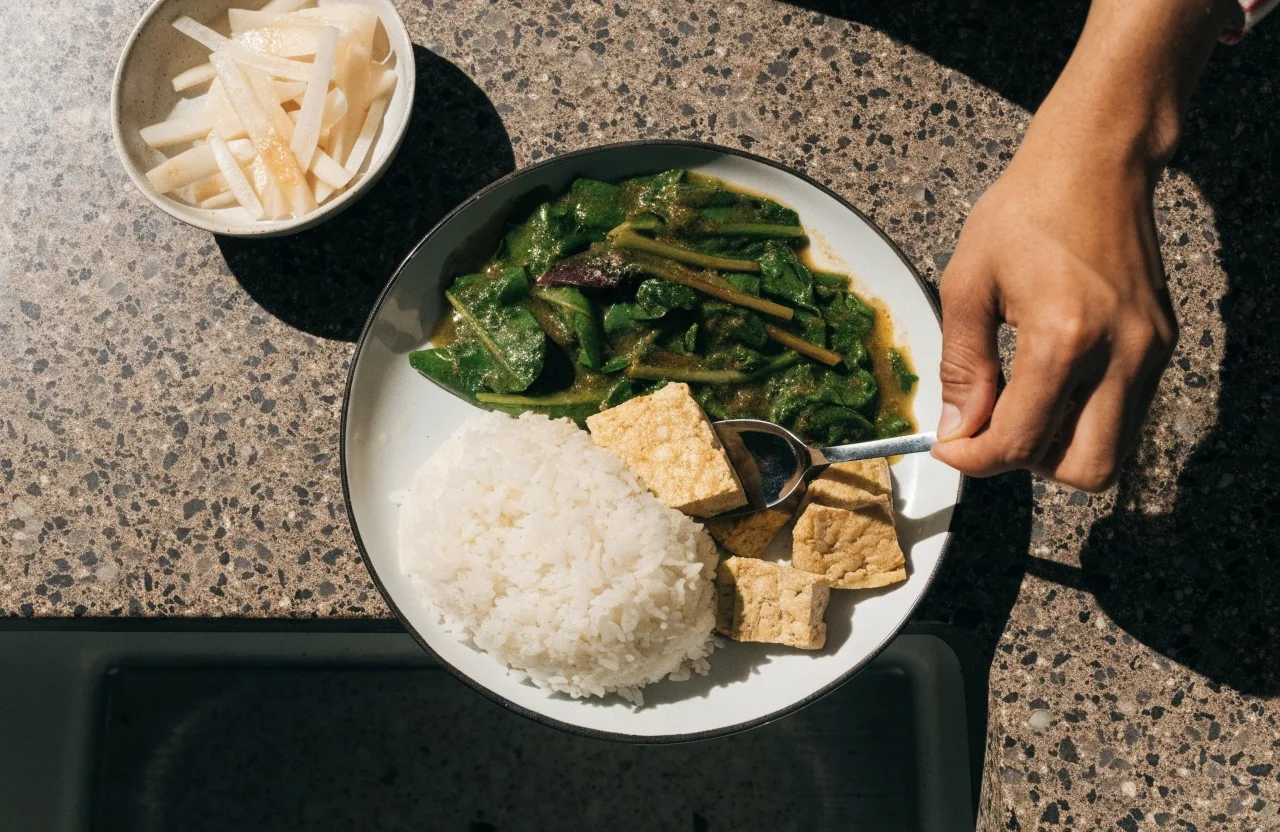
Isi piringku is a familiar reference for Indonesian families, and dietitians use it as a starting frame before adjusting for your situation. Rice, tempeh, greens and fruit stay in the picture because that is what actually lands on the table.
A plan that asks for eight new habits fails by Thursday. We would rather you fix breakfast for two weeks than attempt a whole-week overhaul on Monday. Dietitians sequence the changes, and the next session builds on what you actually managed to keep.
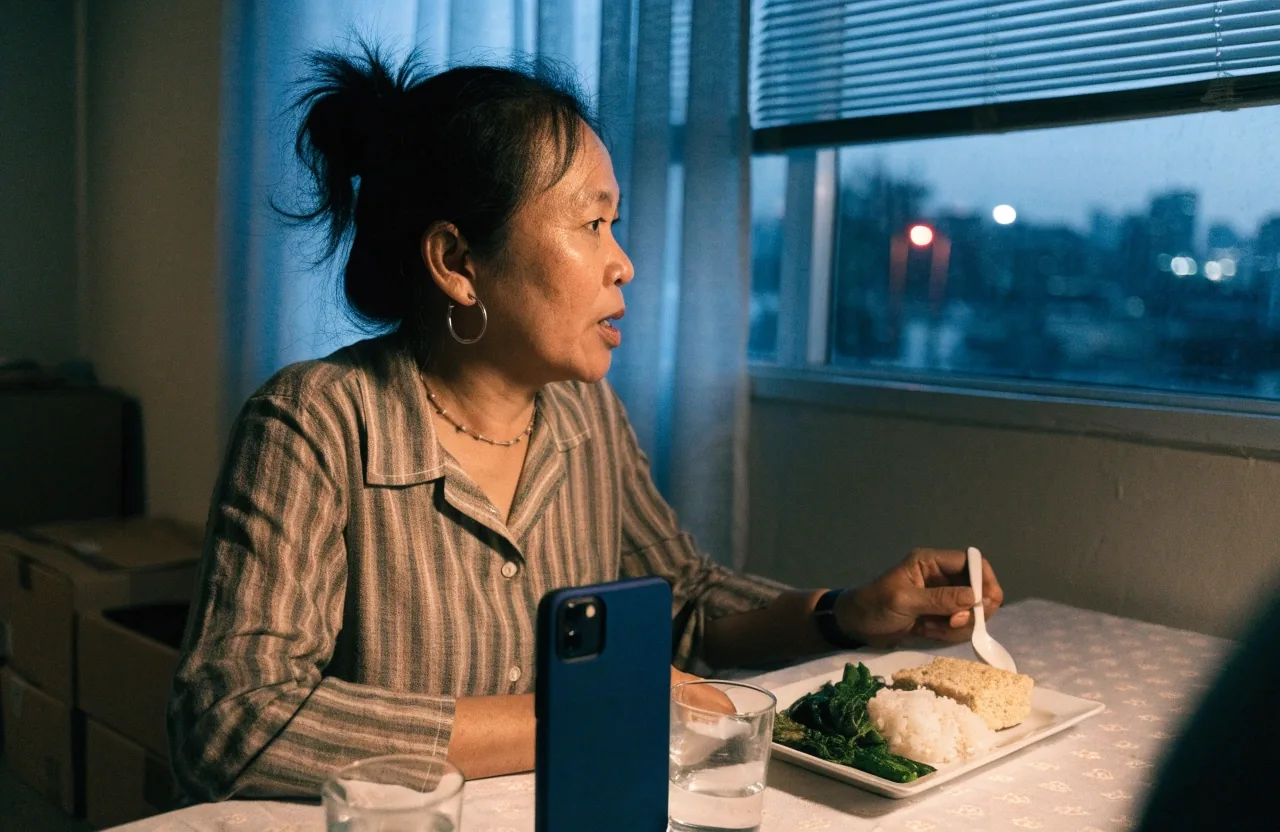
Online consultation removes the two biggest reasons people skip nutrition appointments: travel time across Jakarta and the difficulty of finding a dietitian who understands your food culture. Through a video call or phone session, a dietitian in Jakarta can serve a household in Makassar just as well, and evening slots mean you do not take leave from work.
The format suits people who want structured guidance across several sessions and are willing to do the cooking-side work between them. If what you are looking for is a single conversation that settles everything at once, this is probably not the right service, and our coordinators will tell you so before you register.
Sessions run after office hours so you do not have to take leave for a nutrition appointment.
Video or phone
A household in Makassar or Medan reaches a dietitian based in Jakarta without a flight or a queue.
Same network
Follow-up sessions are part of the plan, and a coordinator checks in if you go quiet between them.
We check in
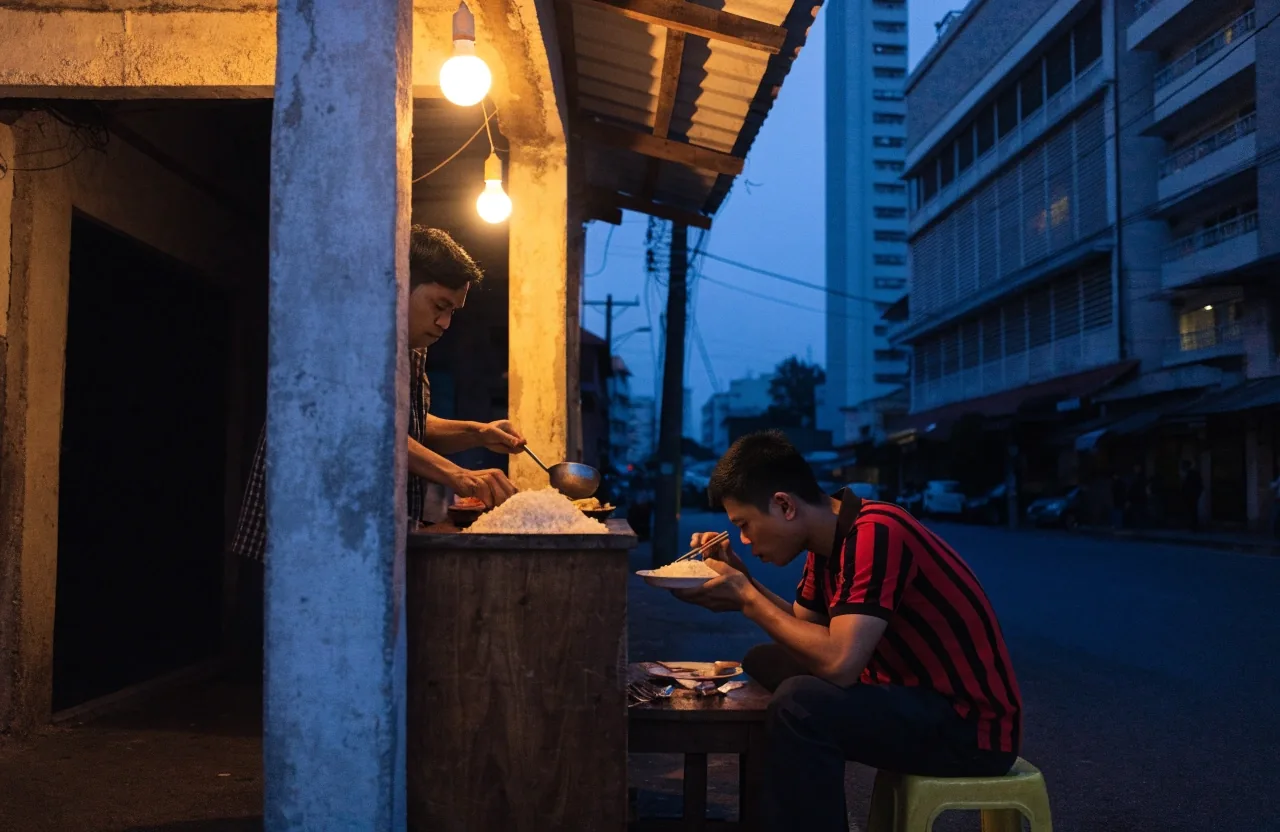
We ask about your meals in the order they happen: first thing in the morning, mid-morning snack, lunch, afternoon, dinner, late evening. Then we ask who else eats from the same pot.
This produces a picture of your real pattern, not a diet template. A driver who eats at warungs has a different plan from an office worker with a packed lunch; a breastfeeding mother's plan differs again. Nothing in our process assumes you cook from scratch or have special equipment, and nothing asks you to buy a new set of kitchen tools to start.
A clearer picture of the boundary helps you decide whether to register.
We do not sell supplements, meal replacements, or packaged food. NutriKonsul is a coordination service, and the recommendations you receive are about meals you prepare or buy as usual.
Dietitians on the network refer you back to your own health provider when a concern falls outside nutrition guidance. That is a handoff, not a gap in the service.
We do not promise results on a schedule. Bodies and households move at different speeds, and a dietitian who says otherwise is selling you something.
We do not ask dietitians to push upsells in sessions. If your dietitian suggests something beyond the scope of the consultation, it is a suggestion, not a sales requirement, and you can decline it.
Plans are written in plain Indonesian or English, your choice. Dietitians are instructed to use household measures: one centong of rice, a palm-sized piece of fish, a handful of kangkung. Grams appear only when you ask for them.
This keeps the plan usable by a family member who did not attend the session, which is often the difference between a plan on paper and dinner on the table. If someone else in your household does the cooking, tell the coordinator at intake — we will flag it for your dietitian before the first session.
Household measures are how most Indonesian kitchens already portion food. A plan using them survives the trip from the dietitian's notes to your counter.
If you have read this far, the practical next step is the registration form on the contact page. It asks for contact details and a short description of your eating routine, nothing more.
Contact details plus a short description of how your household eats. Two minutes on a phone is usually enough.
Within one working day we confirm a session window and send the intake questionnaire by email or WhatsApp.
The whole path from form to first session typically takes two to four days depending on slot availability.