
Everyday Nutrition Guide for Indonesian Homes
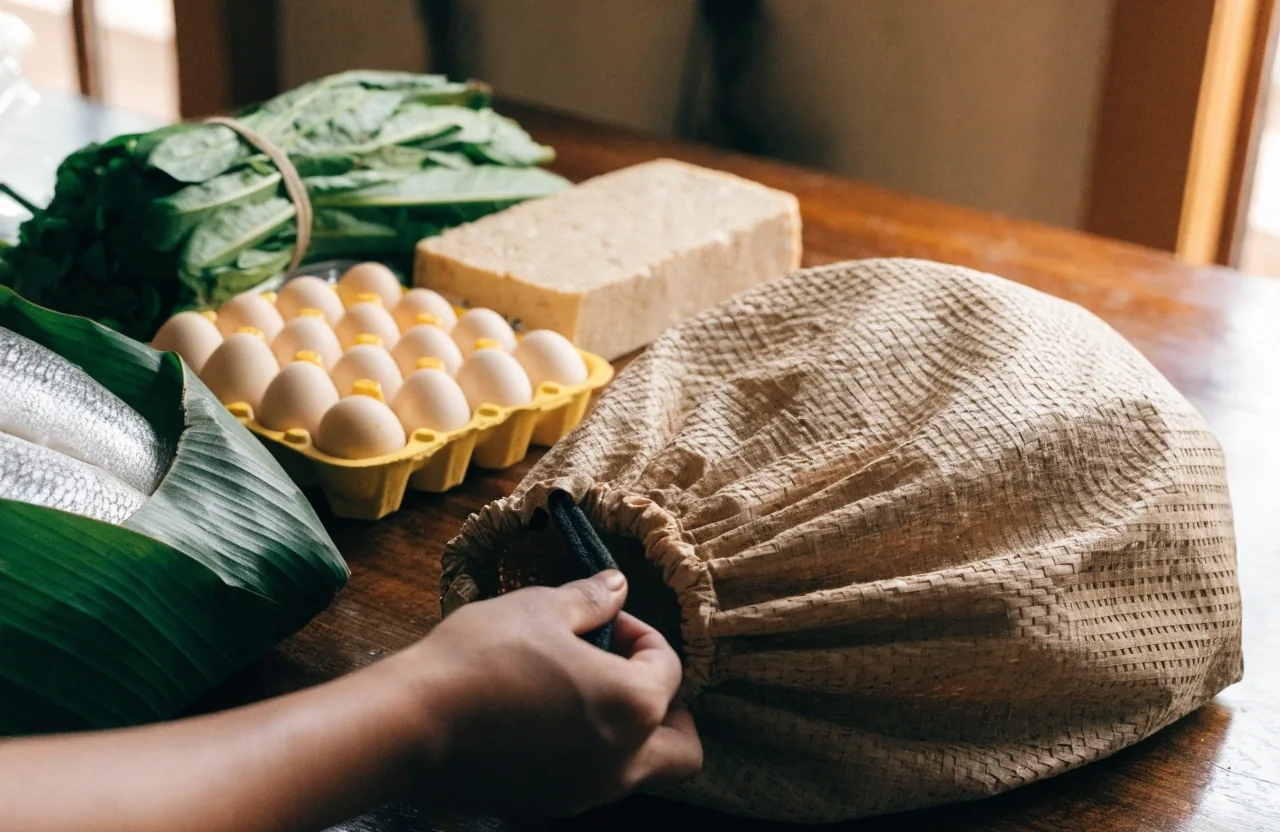
Isi piringku translated into the way you actually cook: rice next to greens, fish or eggs in the market bag, and fewer packets off the shelf at the end of a long day.
The plate
The plate, translated into your kitchen
Isi Piringku divides a meal into a starch portion, vegetables, a protein source, and fruit, roughly half the plate for vegetables and fruit together. In a Jakarta kitchen that might look like a centong of rice, a bowl of sayur asem, a piece of grilled fish, and papaya after. The model works with what you already eat; nothing about it requires imported ingredients.
Where home plates slip is the vegetable side, which shrinks when cooking time is short. One practical answer: cook vegetables twice a week in larger batches and reheat them with meals rather than starting from scratch at 8pm.
A weekday plate
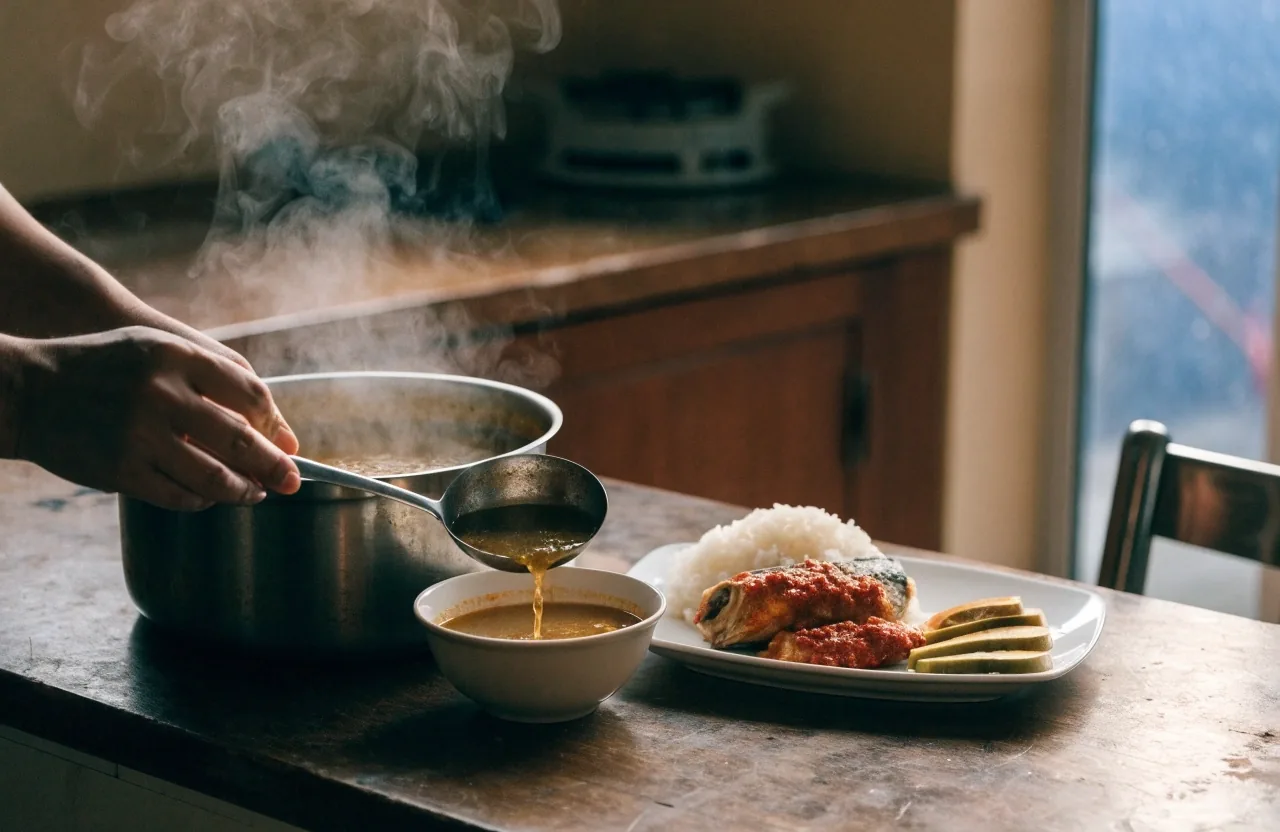
Rice, sayur asem, grilled fish, papaya after
This is a portion of a meal, not a menu. Swap the fish for eggs, keep the vegetable side honest, and the shape holds at a warung, at home, or packed for lunch.
Half the plate
Vegetables and fruit together, at every main meal.
One starch
Rice, potato, or corn — portioned, not piled.
One protein
Fish, egg, tempeh, tofu, or chicken, chosen by what the market has.
Where plates slip
The vegetable side is the first thing a short evening gives up
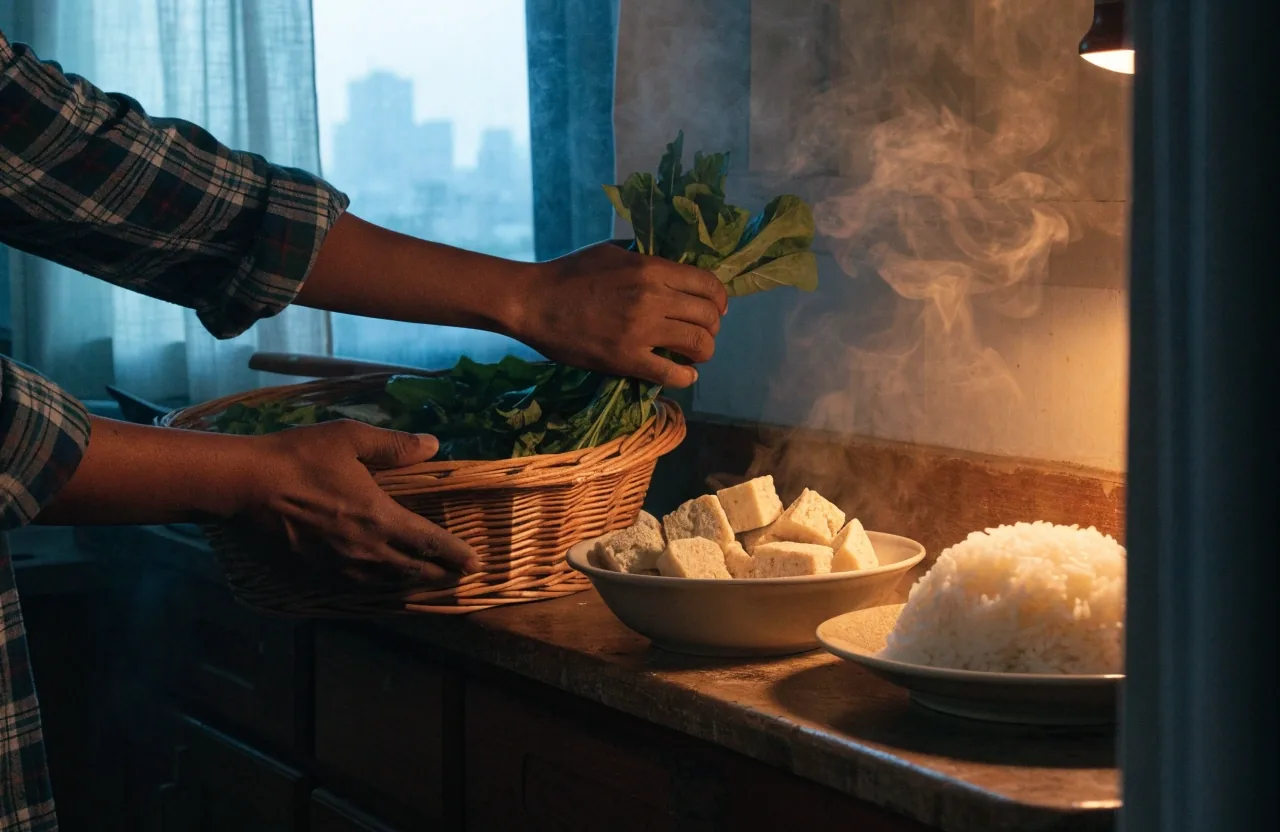
Nothing about isi piringku asks for exotic shopping. It asks for vegetables on the plate at the meal you are already cooking, and that is exactly the part that collapses when work runs late. The market in your neighborhood keeps tempeh, tofu, kangkung, and a rotating set of greens within walking distance most of the week.
Two habits cover most of the gap: buy vegetables twice a week rather than once in a big run, and prep them the same night so the stir-fry is faster than boiling water for instant noodles. If vegetables are already cut in the fridge, the vegetable side stops being the item that gets skipped.
A week of protein
Choosing protein sources without overthinking
Animal-source foods and plant proteins both belong in the week. Tempeh and tofu are inexpensive, familiar, and easy to cook; eggs and fish fill the same role in most households. Rotate rather than optimize — and let the market decide which day carries which.
Fish, twice a week
Fresh from the morning market, grilled or in soup. Easiest single add if the week is rice-and-vegetables heavy.
Eggs, twice a week
Cheap, quick, and usually accepted by children. Omelette with greens covers two parts of the plate in one pan.
Tempeh or tofu, three times
Plant proteins that are already part of the food you grew up with. Fried, stewed, or in a sambal, they cost less than meat.
Chicken, once or twice
Whatever the market has. Bone-in cuts stretch further across a family meal than fillets do.
Patterns in Indonesian diets often include less of the animal-source category than commonly assumed. Adding one portion of fish or eggs to a day otherwise filled with rice and vegetables is a real shift, and a steadier one than rebuilding the whole week at once. Give the rotation about a month — three or four small additions you actually repeat beat a strict list you abandon by Thursday.

On the package
Reading labels on packaged food
Turn the package over. The nutrition panel lists energy, protein, carbohydrates, fa, and sodium per serving. The number to read first is the serving size at the top, because a small bottle often contains two or more of them. Everything below scales with that number.
- Serving size
- Read this first. If the bottle holds two servings, double everything on the panel.
- Added sugar
- Worth watching in sweetened drinks and sauces. Fruit and milk sugars count too — use the ingredient list to tell them apart.
- Sodium
- High in instant noodles, seasoning sachets, and many ready meals. One packet plus the seasoning is how the sodium adds up.
- Ingredient order
- Ingredients are listed by weight. Anything in the first three lines is a large part of what you are buying.
- Front-of-package claims
- Treat them as decoration. A biscuit saying whole grain can still sit alongside a long ingredient list.
Sodium and added sugar are the two lines most worth checking on repeat purchases — the snacks and drinks you buy every week rather than once. When two brands sit at the same price, pick the one whose serving size you can read without doing arithmetic.
What to count
Why ultra-processed foods deserve attention
The category covers instant noodles, sweetened drinks, packaged snacks, and many ready meals. Public health bodies in Indonesia have flagged that these products are widely dominant in the food supply, and they are commonly associated in public discussion with excess sugar, salt, and saturated fa. That does not make them forbidden; it makes them worth counting.
The useful question is not whether to remove them but which ones you eat weekly rather than occasionally. Reducing from five packets a week to two is a real change, and a more durable one than banning them outright. Keep the two you actually enjoy and let the rest wait until the weekend.
Weekly habit
One packet alongside vegetables and an egg, not instead of them.
Occasional treat
The two snacks you actually enjoy. Buy them on purpose, once a week.
What you add
Fish, eggs, greens, and fruit — counted as additions, not as restrictions.
Everyday routine
Fiber, vegetables, and the everyday routine
Fiber comes from vegetables, fruit, legumes, and whole grains, and most home plates can add it without changing the meal structure. Keep cut vegetables in the fridge so the stir-fry happens faster than the instant noodle. Add beans or lentils to soups you already cook. Choose fruit over juice most of the time.
Fiber and water move together. If eating feels irregular, raise both before looking anywhere else, and mention it in your consultation so the dietitian can factor it into the plan instead of guessing around it.
Fruit is the easiest lever in a house with children. A bowl within reach at counter height gets eaten; a drawer of whole fruit gets forgotten. That single move changes the shape of the plate more often than a new recipe does.
Where probiotics fit
Fermented foods are already on the table
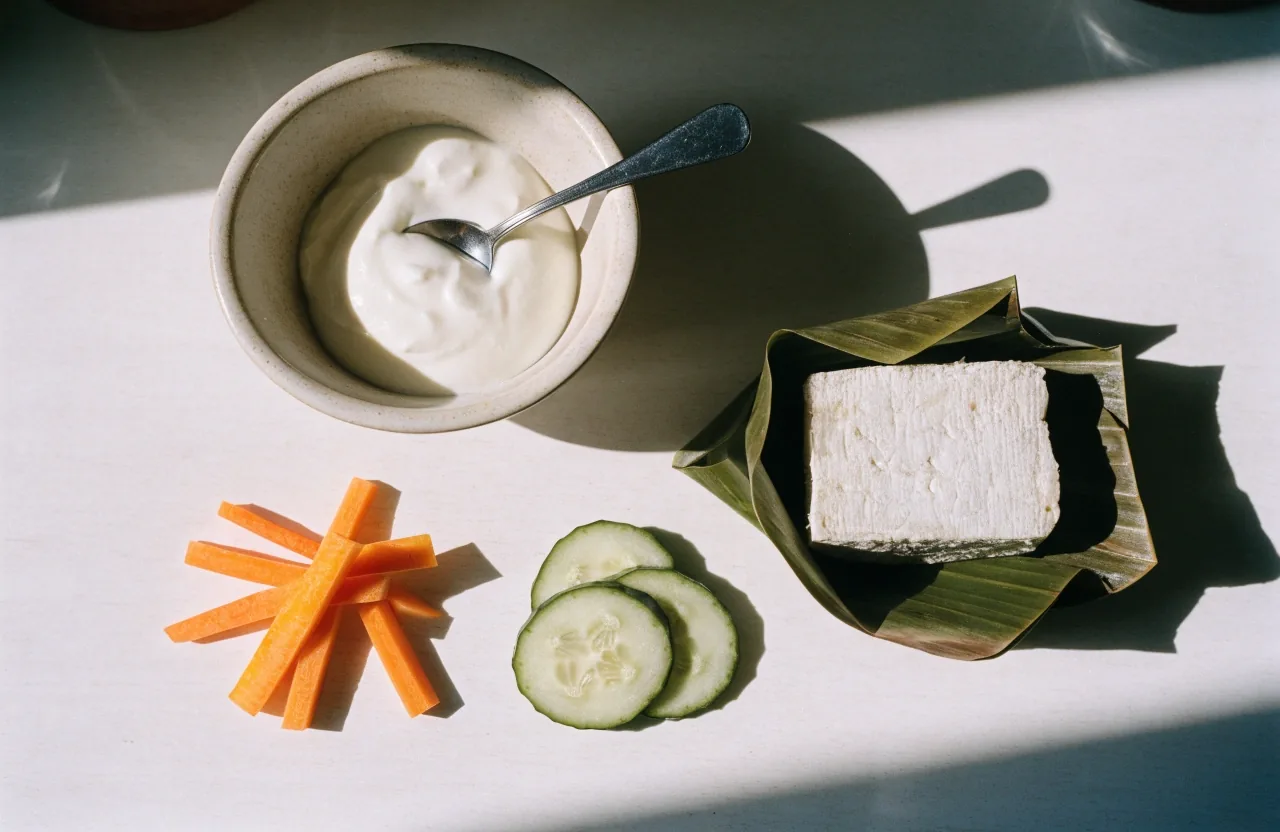
Probiotics and fermented foods come up constantly in food talk, and Indonesia has a head start here: tempeh, oncom, and fermented vegetables are already common. Gut health has become a mainstream nutrition topic in recent coverage, and the useful version of that conversation is about whole eating patterns — fiber, fermented foods, fruit, and vegetables together.
Treat any single jar or drink promising to sort out digestion with appropriate skepticism. If you enjoy yogurt or tempeh, keep them in rotation for what they are: food, and good ones.
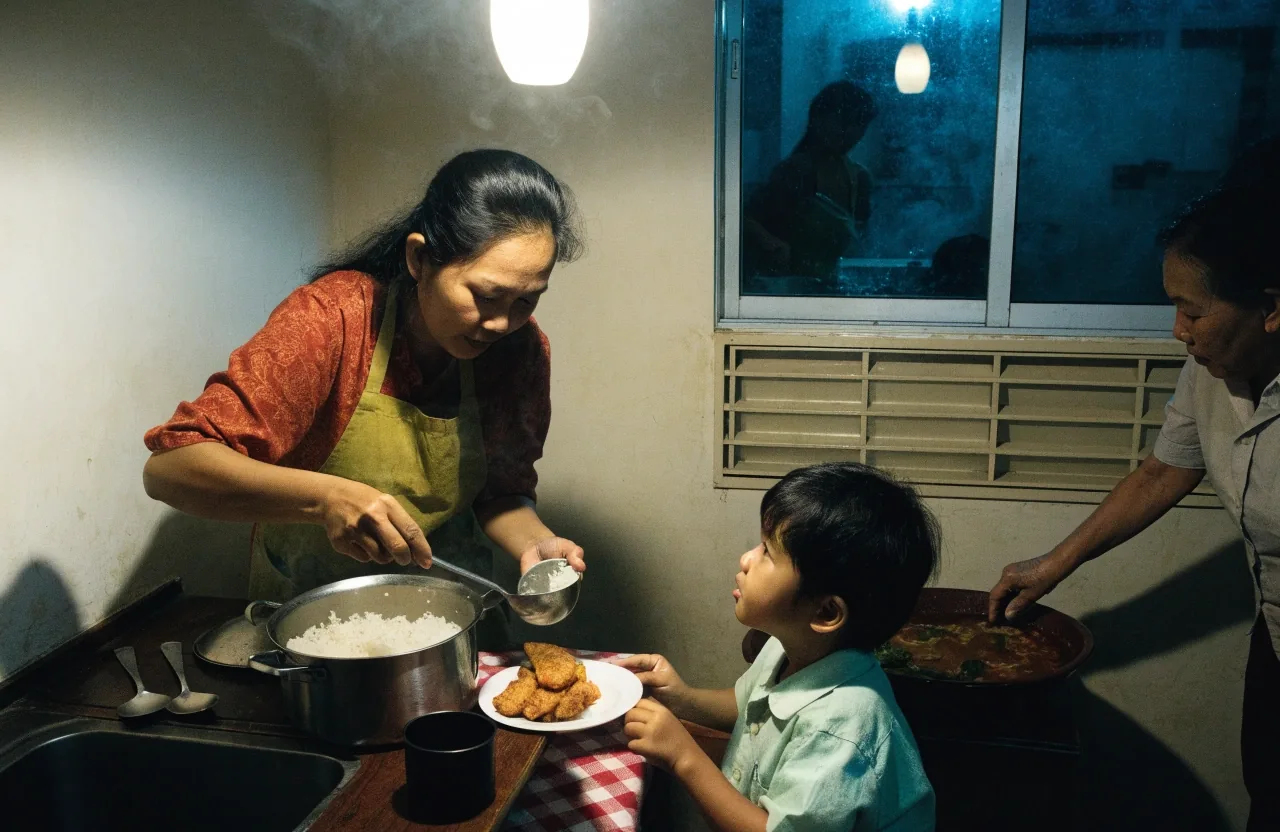
At the family table
Adjusting for age and household
Young children
Smaller portions and protein and iron sources they will actually accept — eggs and fish in familiar forms usually land better than new dishes.
Older adults
Keep protein at meals rather than skipping it, especially when appetite drops. A piece of fish or an egg at breakfast is often the easiest one to hold.
One menu, varied portions
A dietitian can structure one menu with portions that shift by person instead of cooking separate meals. Most households find that easier than it sounds.
Eat what you already know, better
A registered dietitian can turn the plate logic into a plan for your house — your market, your cooking time, the ages at your table. Bring the questions this guide left open.
NutriKonsul connects households with registered dietitians for online nutrition consultations. This guide is general nutrition information, not a substitute for individual advice — your plan depends on your own history and goals.